

Understanding the psychological triggers behind gambling behavior
The Role of Emotion in Gambling
Emotions play a significant role in gambling behavior, often driving individuals to engage in activities that provide temporary relief from stress or anxiety. The thrill of placing a bet can create a rush that acts as a coping mechanism for many people. This emotional high can lead to repeated gambling sessions as players chase that euphoric feeling, which they may find increasingly hard to replicate, especially at real money online casinos.
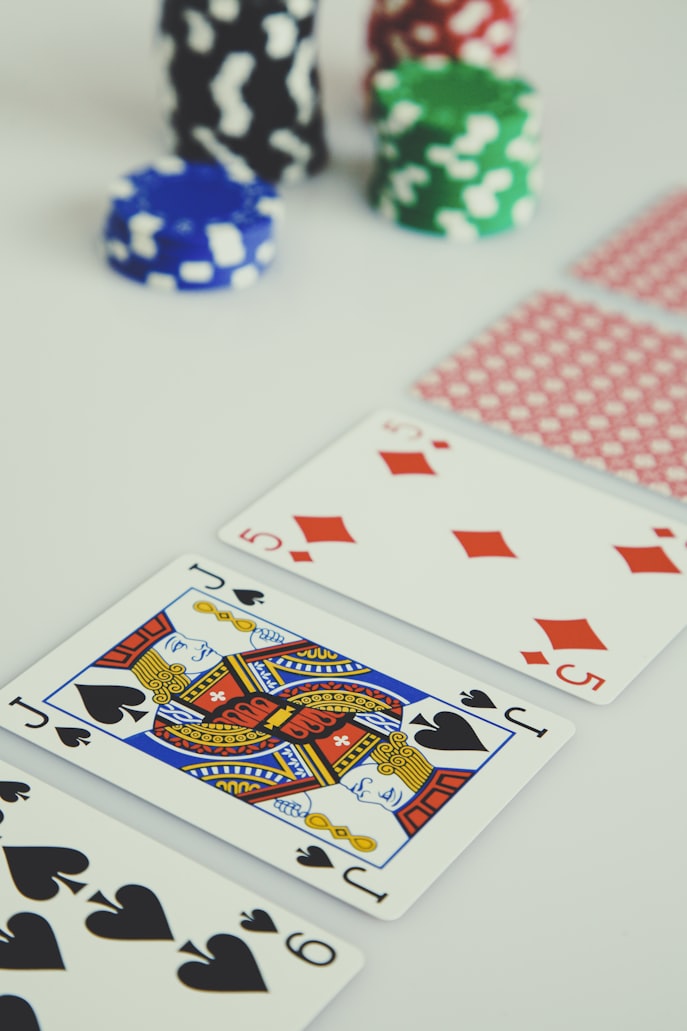
The emotional rollercoaster associated with gambling can lead to a cycle of highs and lows, making it addictive. Players may feel excitement when winning, but the subsequent lows from losses can lead to desperation and the urge to gamble more in hopes of recovering losses. Understanding these emotional triggers is crucial in recognizing unhealthy gambling behaviors.
Cognitive Biases in Gambling
Cognitive biases are mental shortcuts that can lead individuals to make irrational decisions when gambling. One common bias is the illusion of control, where players believe they can influence the outcome of random games. This belief often leads them to gamble more frequently, reinforcing the behavior despite evidence to the contrary.
Another significant cognitive bias is the gambler’s fallacy, which is the misconception that past outcomes can influence future results. For example, a player may believe that a slot machine is “due” for a win after a series of losses. These biases can create a false sense of confidence, making it difficult for individuals to recognize when they should stop gambling.
The Impact of Social Environment
The social environment significantly affects gambling behavior. Individuals may be influenced by friends or family who gamble, leading to normalization of the activity. This can create a social pressure to participate, especially in group settings where gambling is viewed as a form of entertainment.
Additionally, the presence of social media and online platforms can further exacerbate gambling tendencies. The visibility of others winning can trigger feelings of envy and competition, pushing individuals to gamble more in hopes of achieving similar successes. Understanding these social triggers is vital in addressing problematic gambling behaviors.
Addiction and Psychological Disorders
Gambling can escalate into a serious addiction, often overlapping with psychological disorders such as depression or anxiety. Individuals struggling with these issues may turn to gambling as a form of escapism, finding temporary relief from their mental health challenges. Unfortunately, this can lead to a vicious cycle of dependency and emotional turmoil.
Recognizing the signs of gambling addiction is crucial for intervention. Symptoms such as preoccupation with gambling, increasing amounts of money spent, and neglecting responsibilities often indicate a deeper psychological issue at play. Seeking professional help can be a vital step in breaking this cycle and reclaiming control over one’s life.
Your Resource for Understanding Gambling
Understanding the psychological triggers behind gambling behavior is essential for both players and loved ones. By gaining insights into emotional responses, cognitive biases, and social influences, individuals can make more informed decisions regarding their gambling habits. Recognizing the signs of addiction can also lead to timely intervention and support.
Our website serves as a comprehensive resource for those looking to learn more about gambling behavior and the various factors influencing it. With expert insights and tools available, we empower individuals to navigate the complex world of gambling responsibly and safely, ensuring a healthier gaming experience.